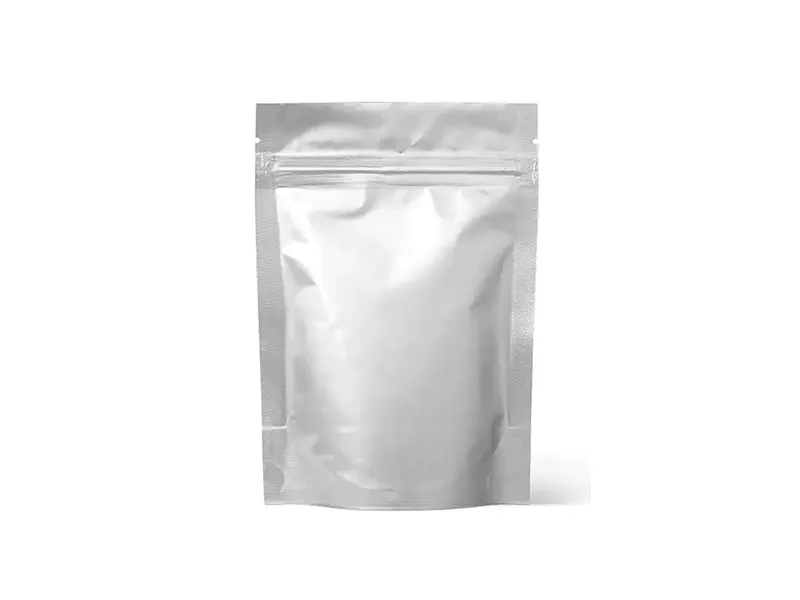
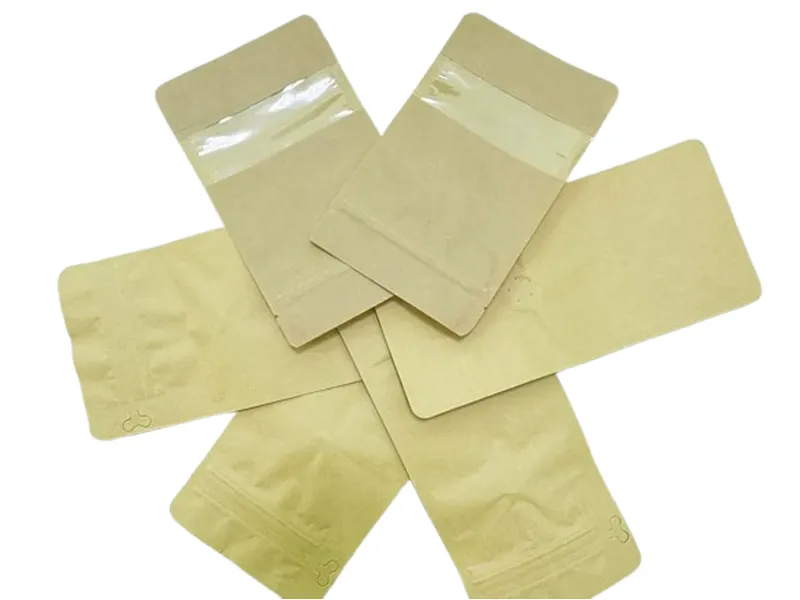
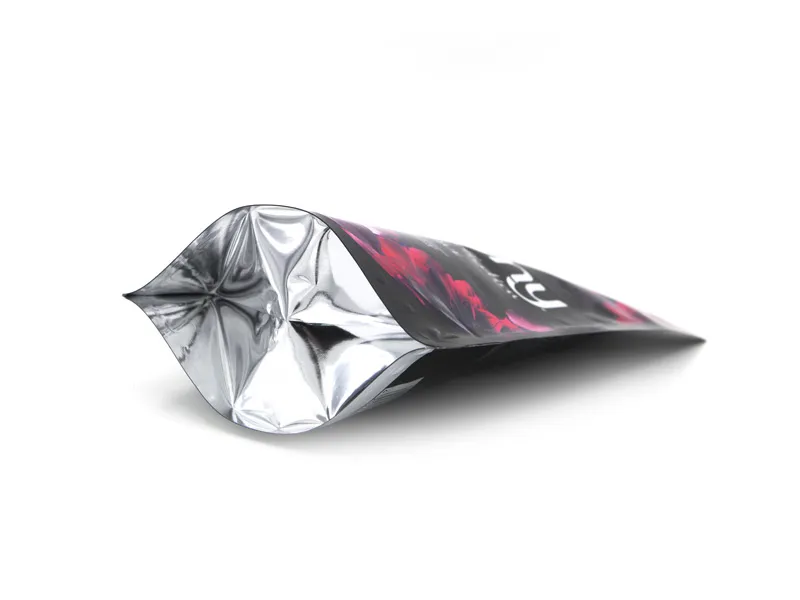
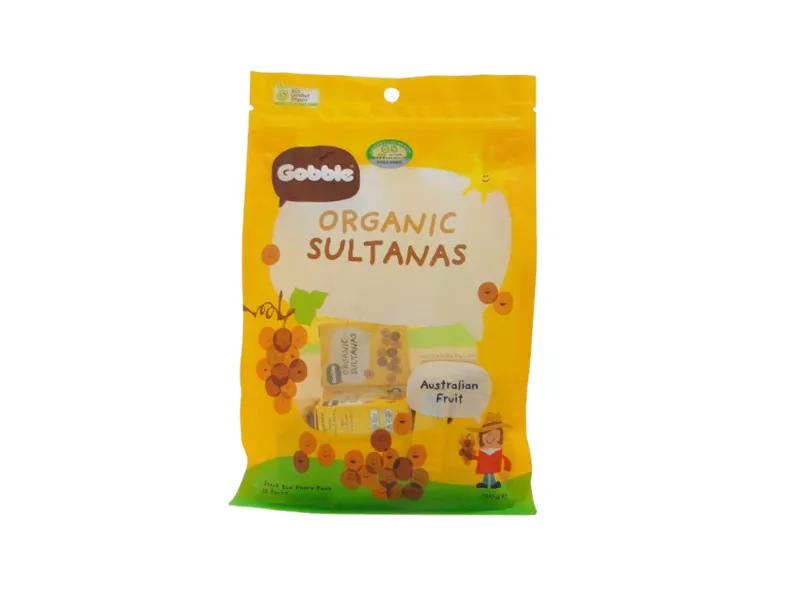
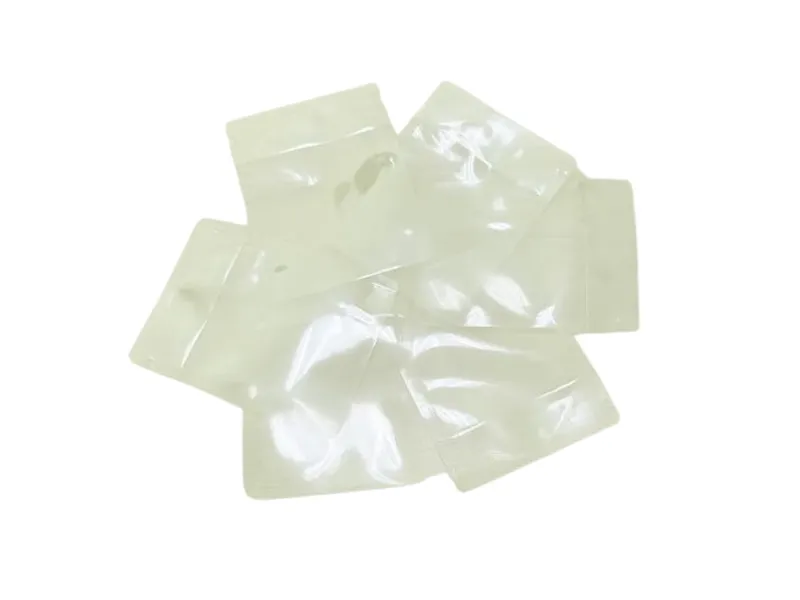
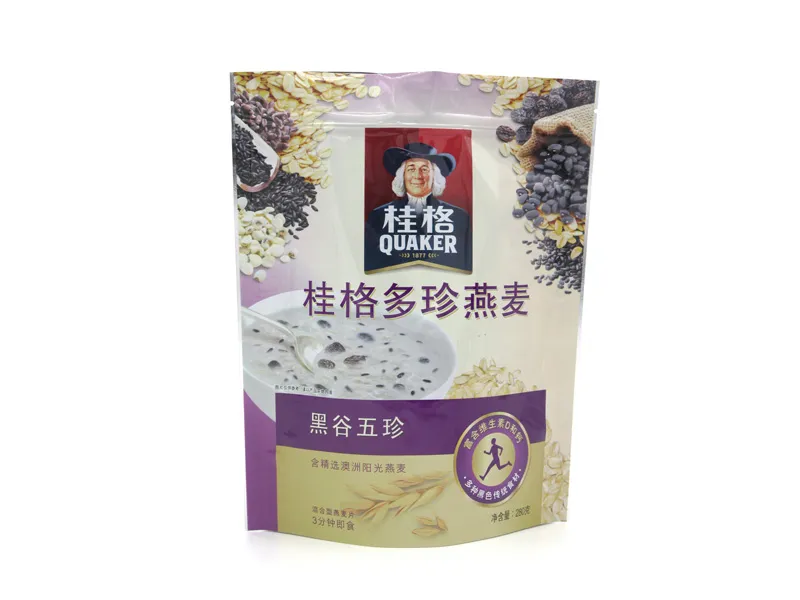
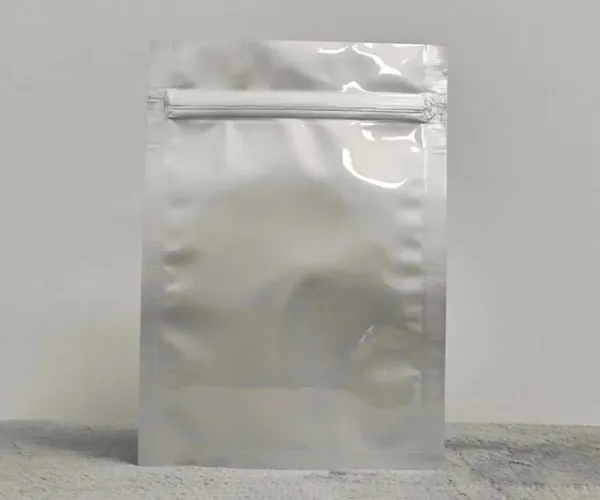
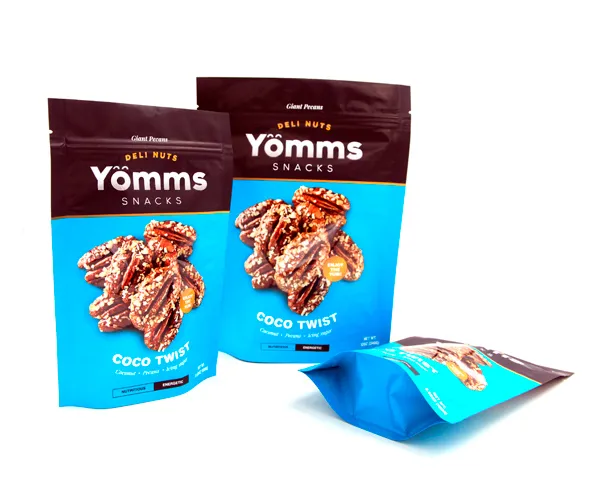
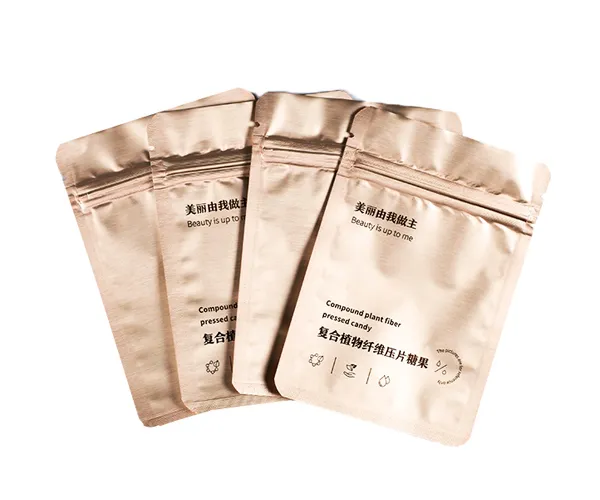
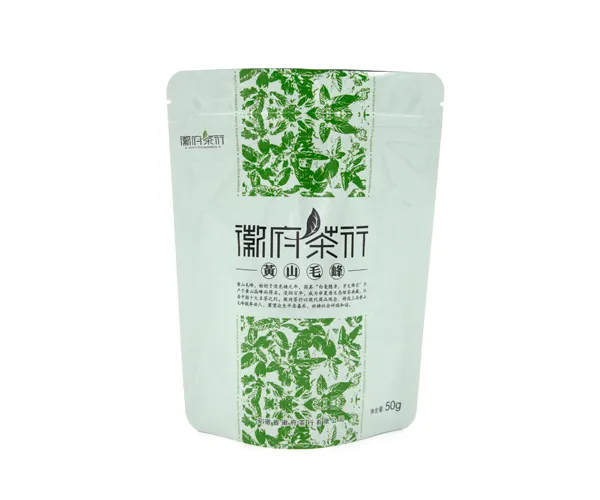
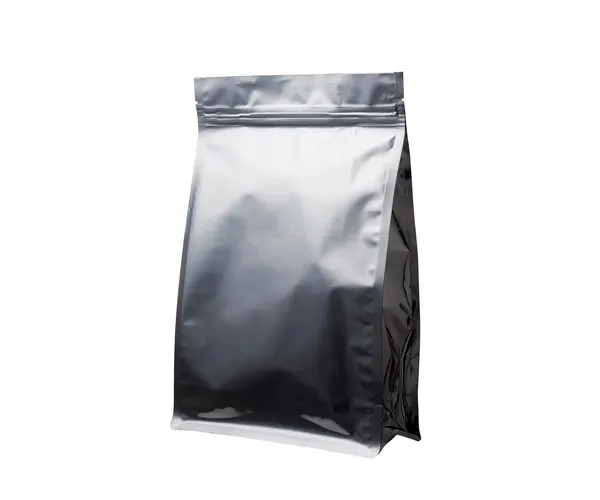
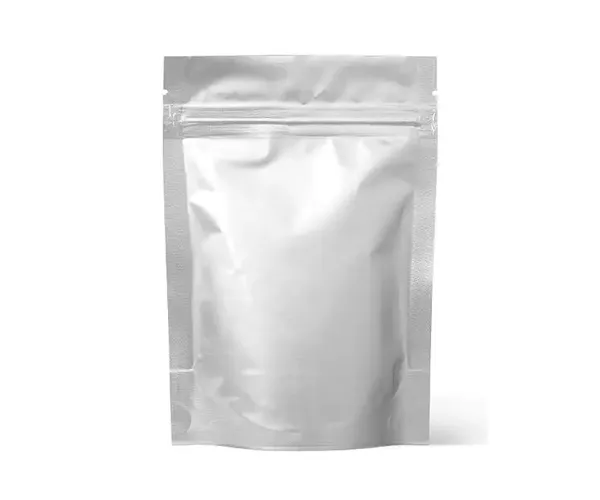
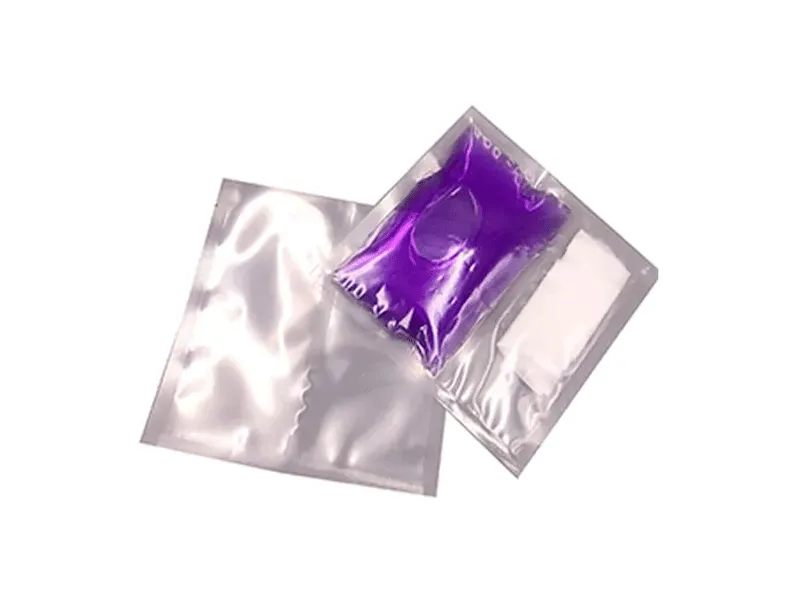
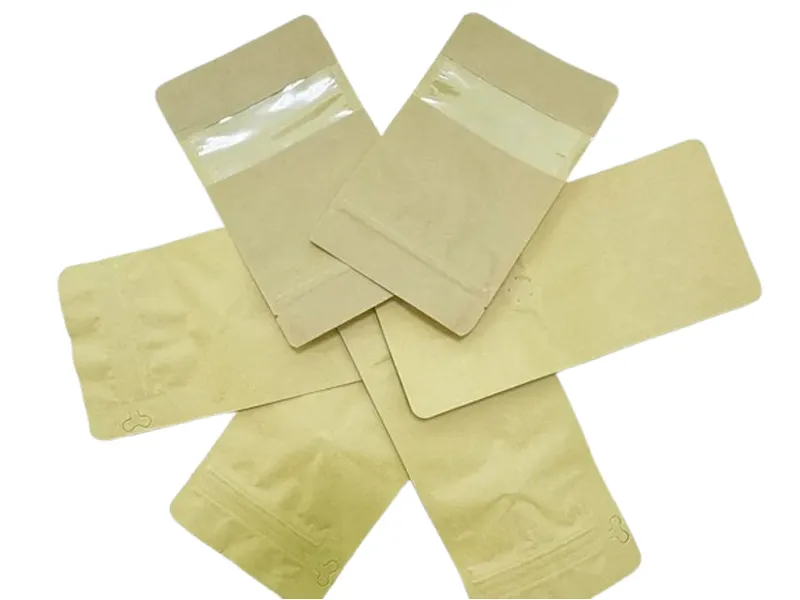
What are the Main Features of Heat Sealable Foil Pouches ?
1. Excellent barrier properties (derived from the aluminum foil layer):
- Extremely high moisture impermeability: extremely low water vapor transmission rate, providing perfect moisture protection.
- Extremely high oxygen impermeability: extremely low oxygen transmission rate, effectively preventing oxidation and deterioration of contents.
- Complete light-blocking property: blocks all ultraviolet and visible light, protecting light-sensitive contents.
- Excellent aroma retention and odor barrier: retains the original flavor of the product and prevents external odors from penetrating.
2. Reliable heat-seal sealing property (derived from the heat-seal layer):
- Through heat sealing, a more secure and durable seal can be formed than with zippers or pressure seals, achieving true airtightness, making it an ideal choice for long-term storage and vacuum/inflated packaging.
3. Good mechanical strength and durability:
- The aluminum foil layer provides basic tensile strength and rigidity, while the composite structure enhances the overall puncture resistance and impact resistance.
4. Resistance to high and low temperatures:
- Depending on the selected heat-seal material (such as CPP), it can withstand high-temperature sterilization (above 121°C), boiling, or low-temperature freezing, as well as other processing and storage conditions.
Structure and Materials of Heat Sealable Foil Pouches
This is a typical multi-layer composite structure, with each layer having a clear function:
1. Outer layer (protective/printing layer):
· PET (Polyethylene terephthalate): Provides excellent mechanical strength, abrasion resistance and a high-gloss printing surface.
· NY (Nylon): Offers outstanding puncture resistance and toughness, often used for contents with sharp edges.
2. Middle layer (core barrier layer):
· AL (Aluminum foil): This is the "heart" of the bag, typically with a thickness ranging from 7μm to 12μm, providing ultimate barrier properties in all directions. The number of pinholes is a key indicator of quality.
3. Inner layer (heat seal layer):
· CPP (Cast Polypropylene): Suitable for high-temperature environments, such as making high-temperature retort bags. It has good heat resistance.
· PE (Polyethylene): Has good low-temperature heat seal performance and moisture resistance, is cost-effective, and is suitable for regular sealing.
Common examples of compound structures:
· PET/AL/PE: General structure, suitable for moisture-proof packaging of milk powder, coffee, dry food, and electronic components.
· PET/AL/CPP: Suitable for foods requiring high-temperature sterilization, such as soft canned food and meat products.
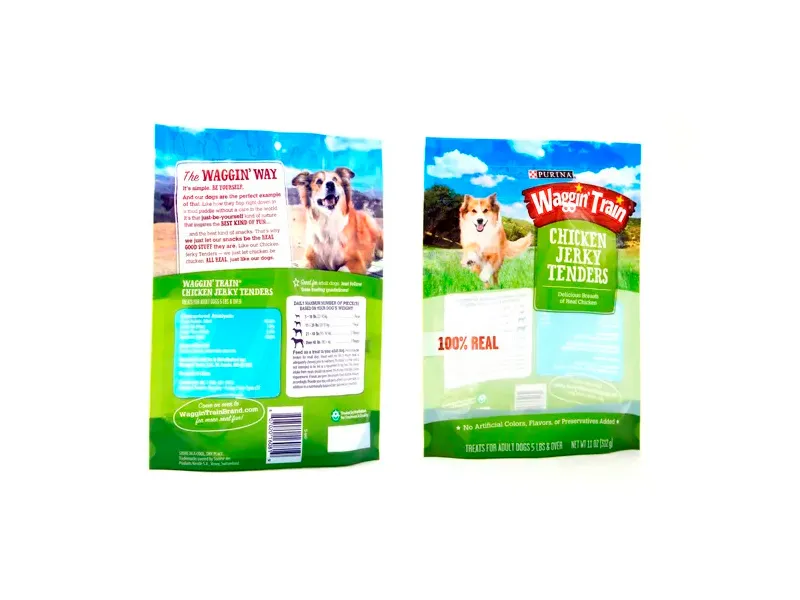
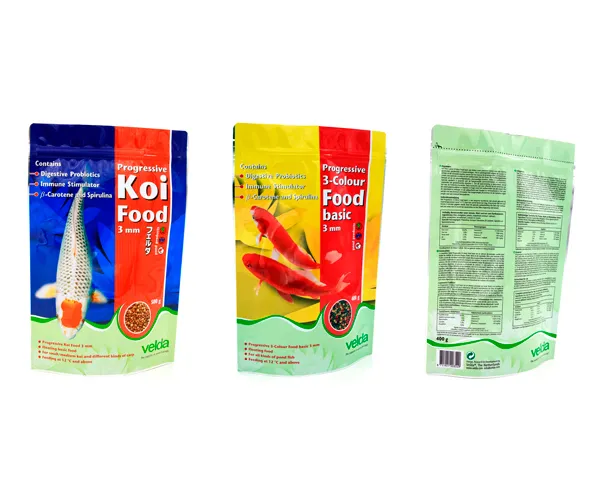
· NY/AL/CPP: High-puncture-resistant structure, used for pet food, bone-in meat or heavy-duty hardware parts.
What are the Application Areas of Heat Sealable Foil Pouches?
The heat-sealable aluminum foil pouches, due to their superior protective performance, are widely used in fields where strict preservation conditions are required:
1. Food and Beverages:
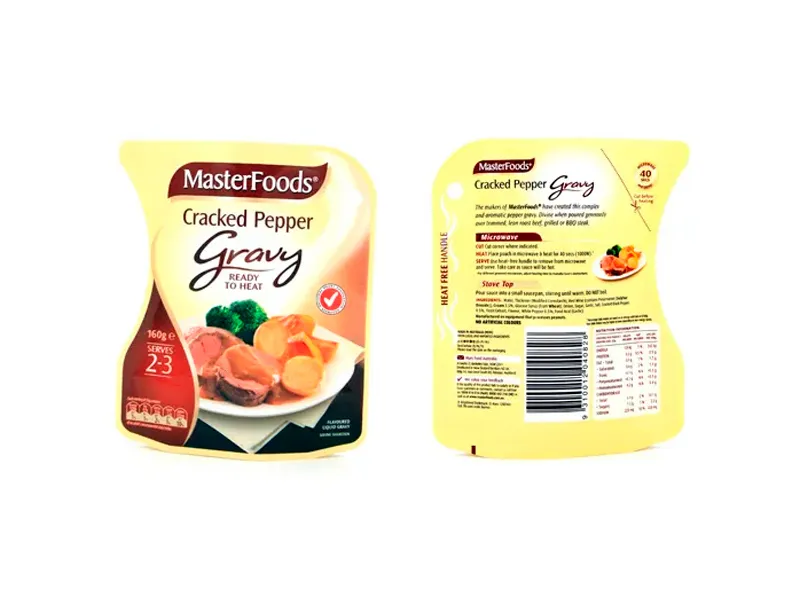
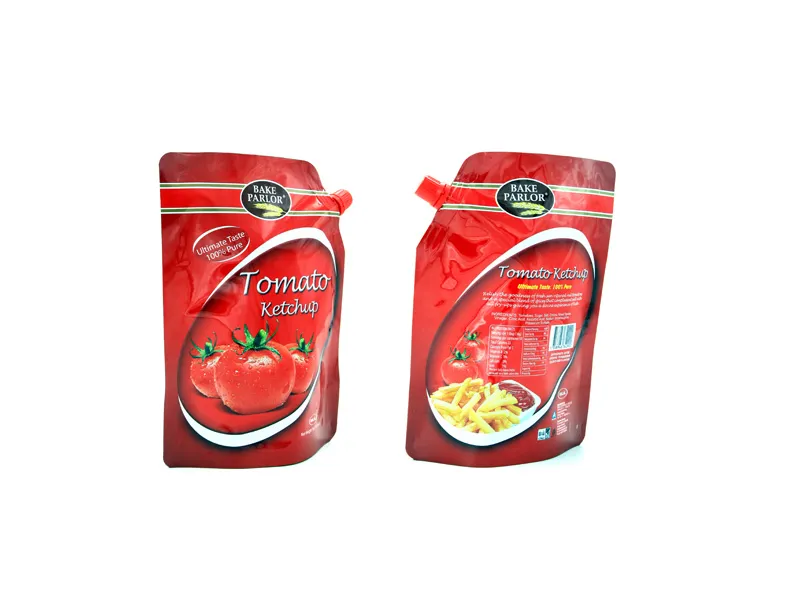
· High-temperature cooked foods: Military ready-to-eat food, soft-packaged canned food, sauce packets.
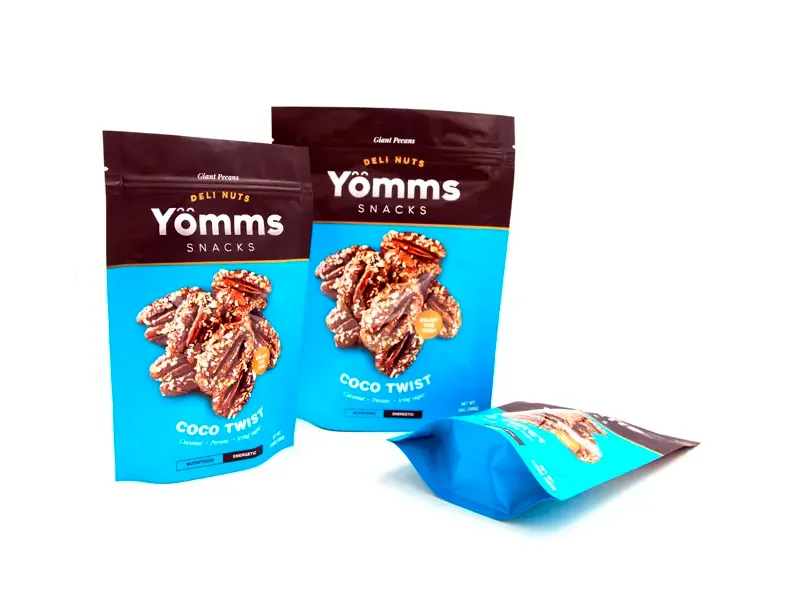
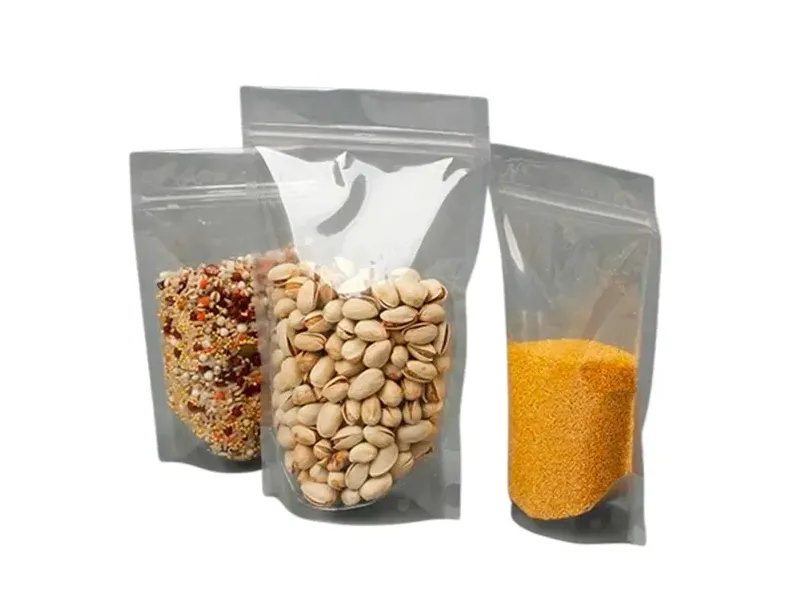
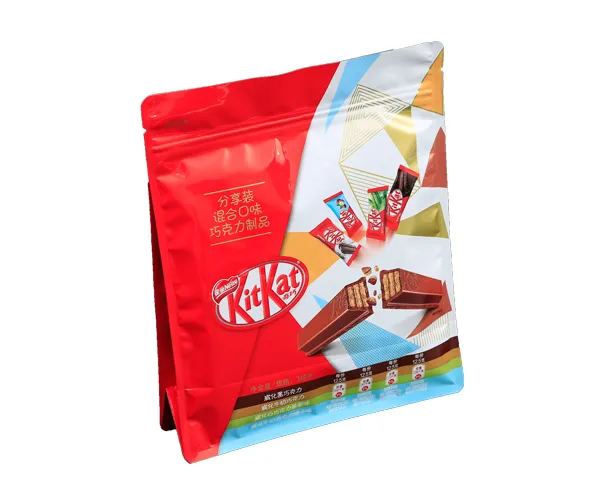
· Foods highly sensitive to oxygen/light: High-end coffee beans/powder, infant milk powder, nuts, edible oil, seasonings.
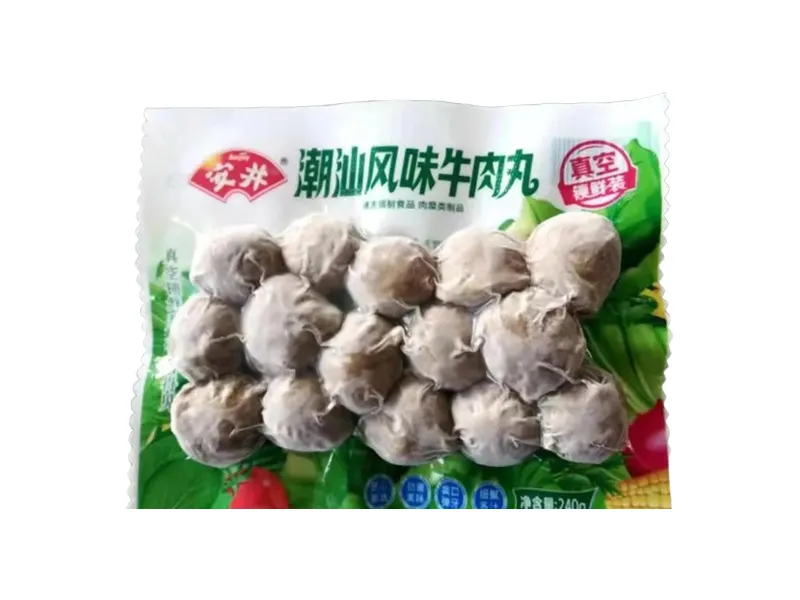
· Vacuum/Inflation-packaged foods: Meat, cheese, sausages, tea.
2. Medicine and Health Care:
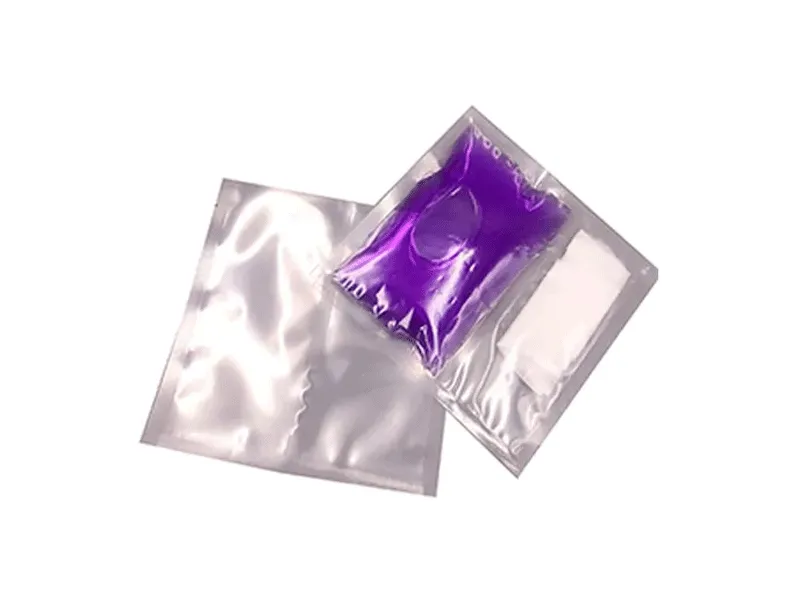
· Pharmaceutical packaging (especially for items prone to moisture absorption and oxidation), Chinese herbal powder, sterile barrier packaging for medical devices.
3. Electronics and Industry:
· Electronic components: IC chips, moisture-proof and anti-static packaging for circuit boards (often used as inner bags).
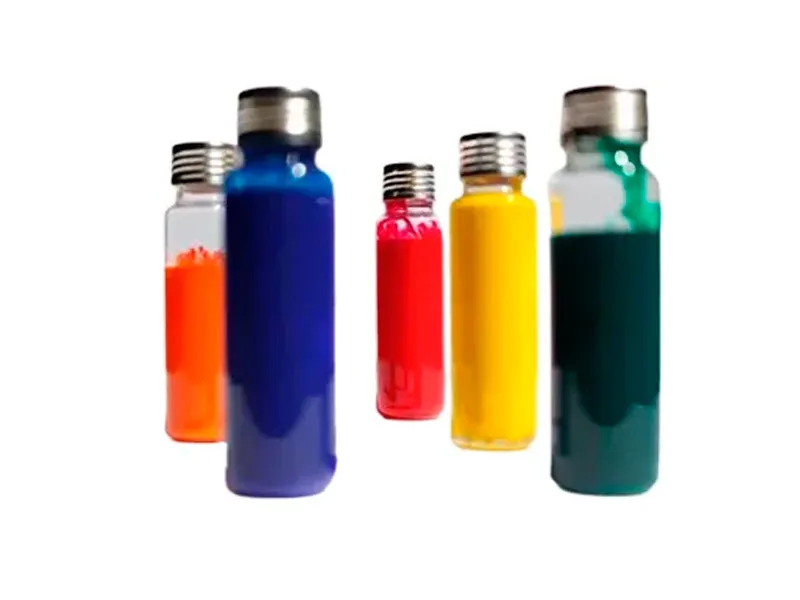
· Chemical Products: Dyes, catalysts, rust-proof packaging for precision instruments.
4. Special Purposes:
· Special materials for aerospace and military fields.
 English
  中文
中文