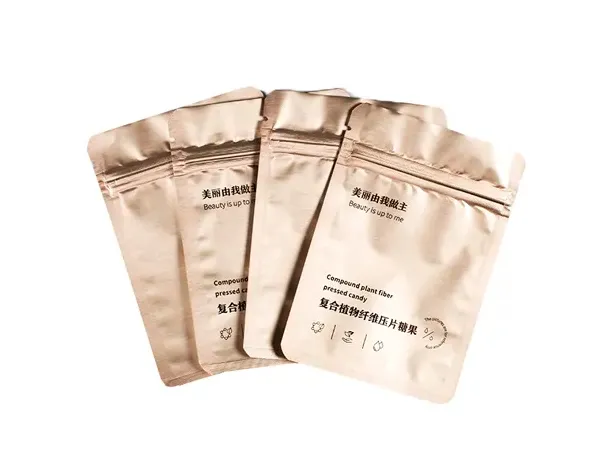
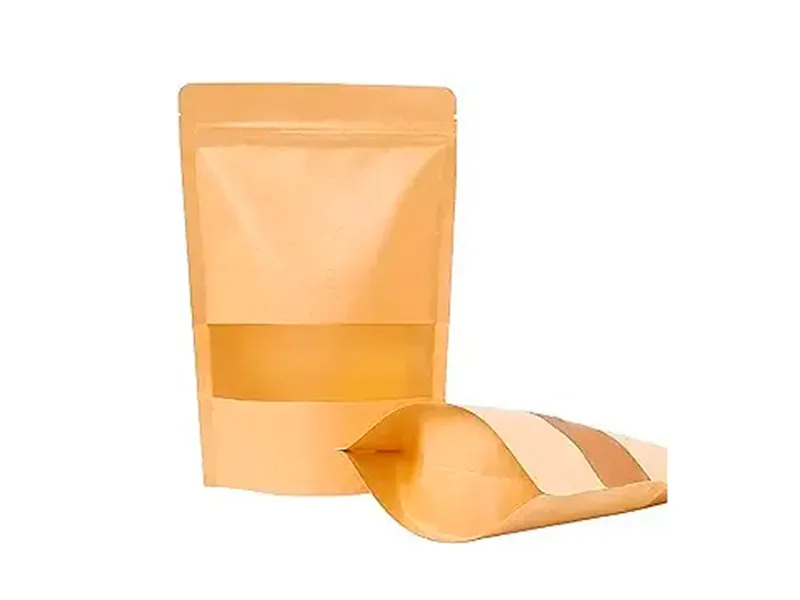
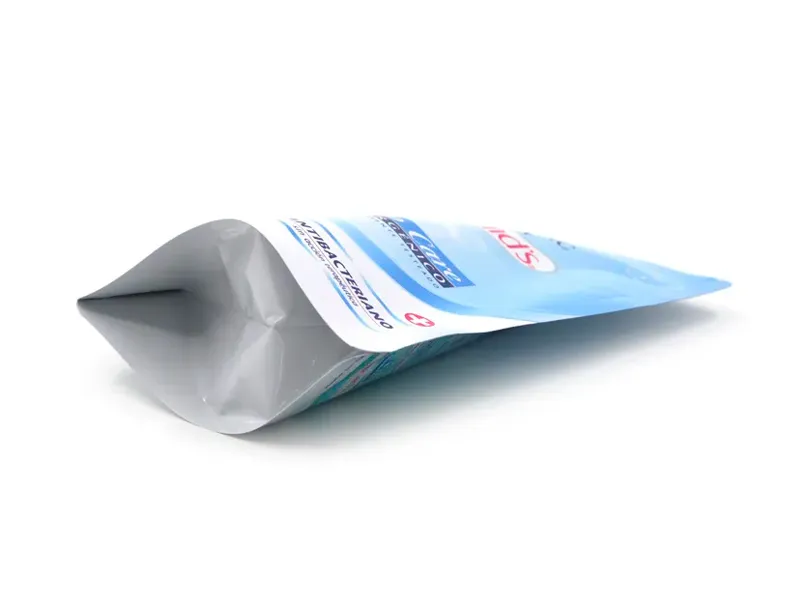
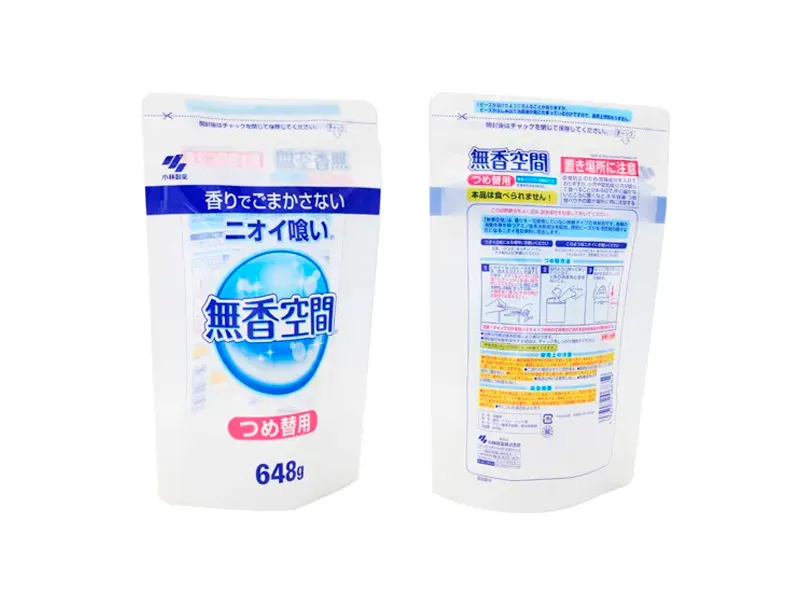
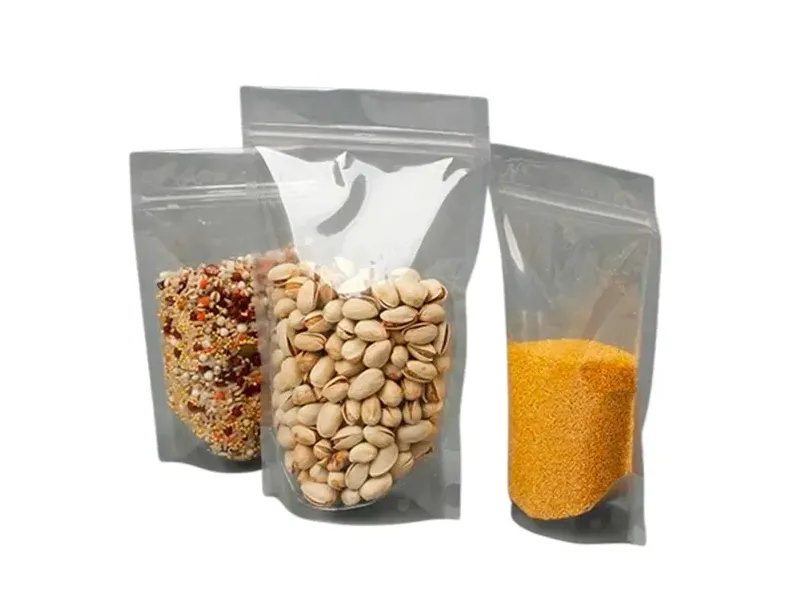
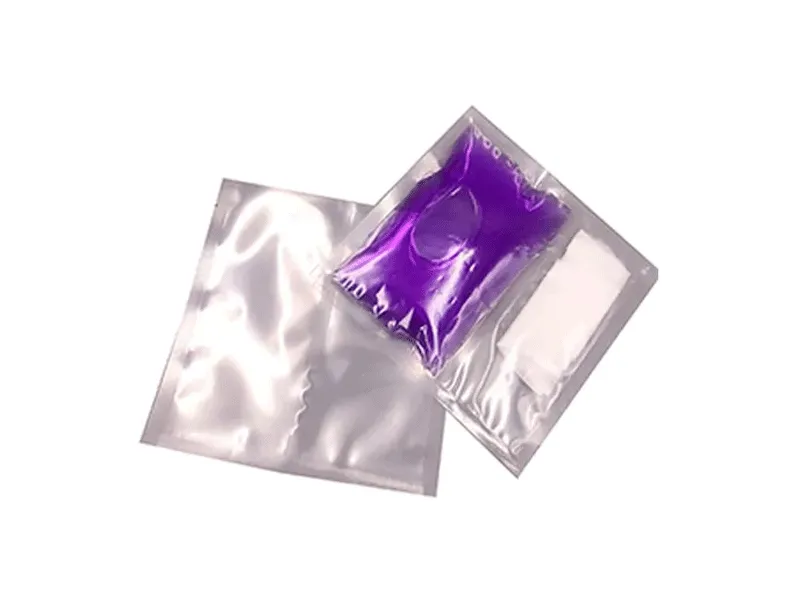
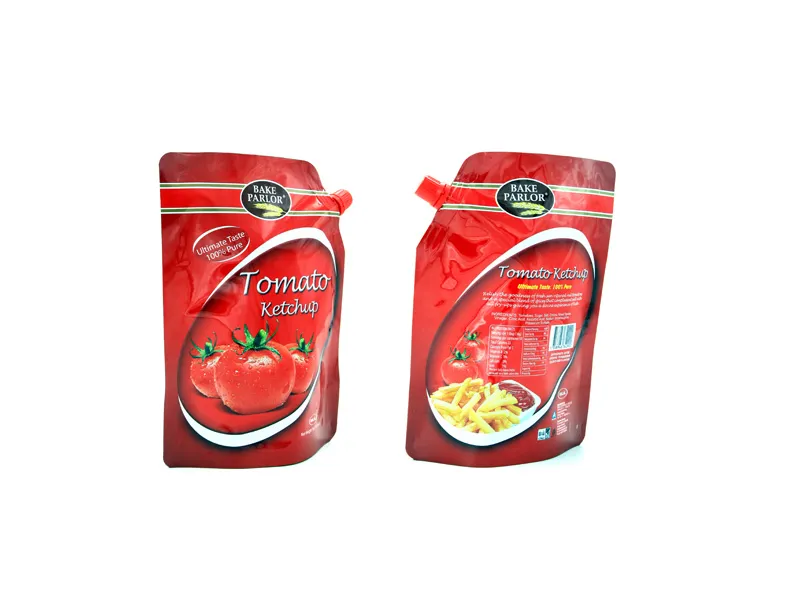
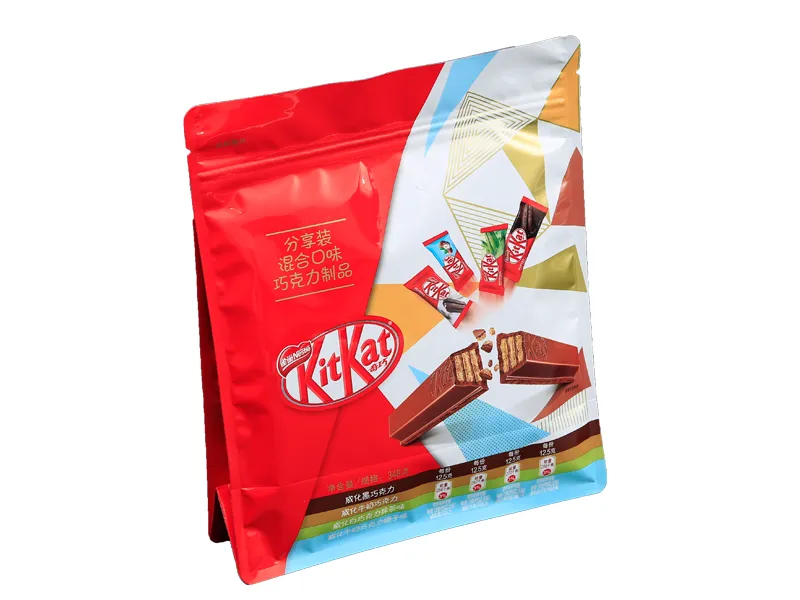
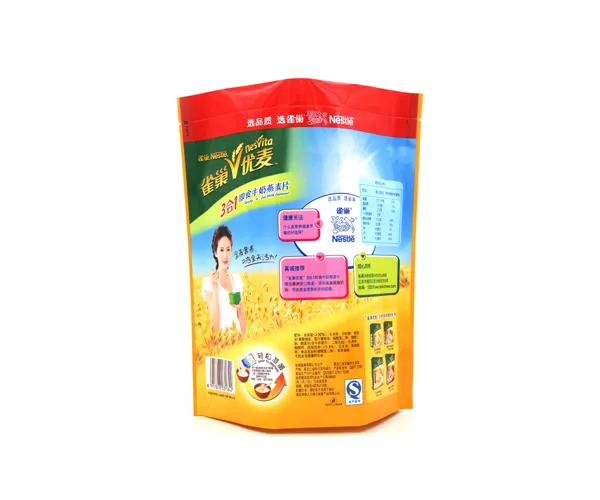
Key Features & Advantages of Plastic Stand Up Pouch
Feature | Benefit & Explanation |
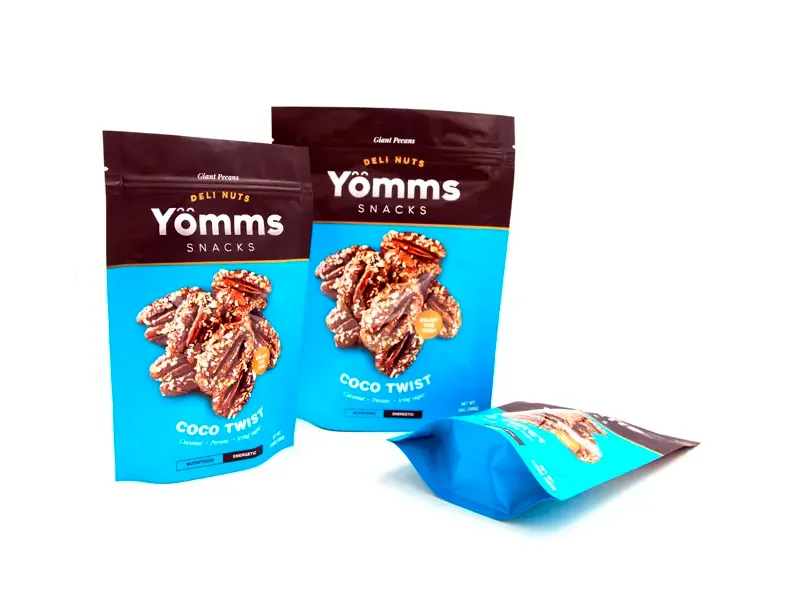
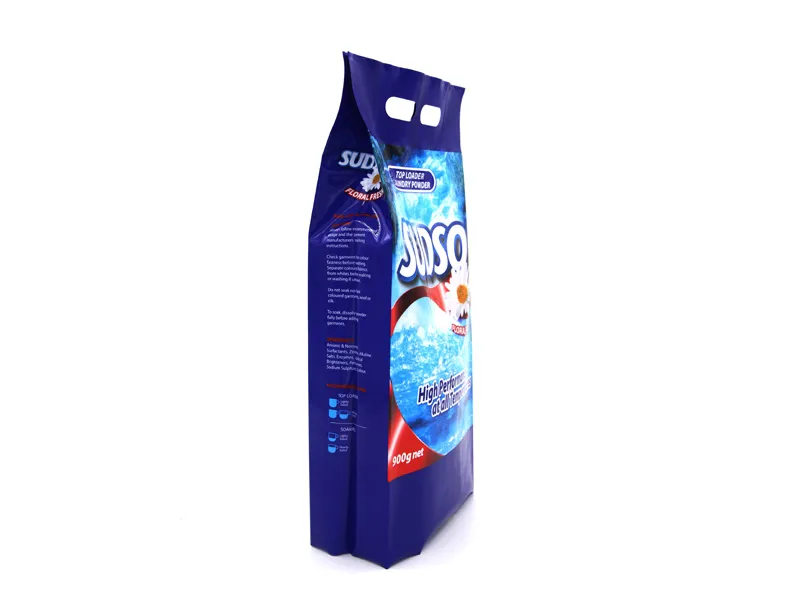
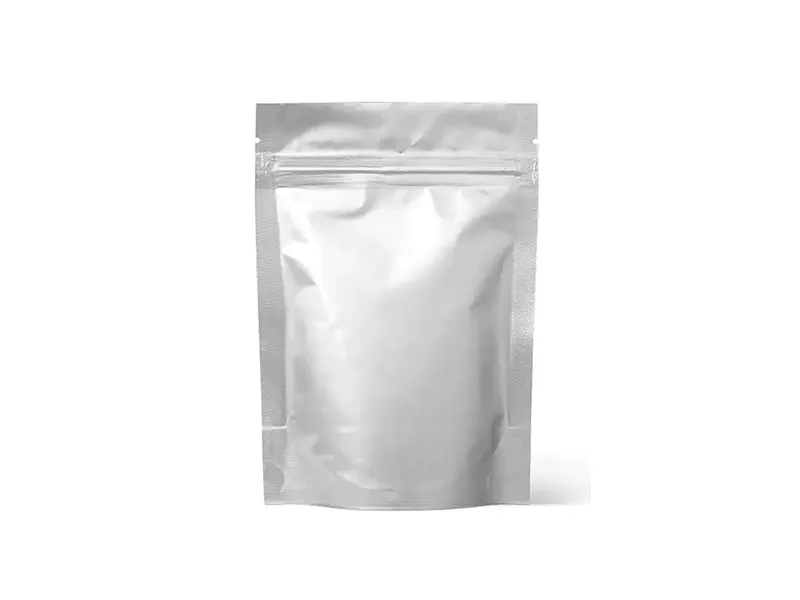
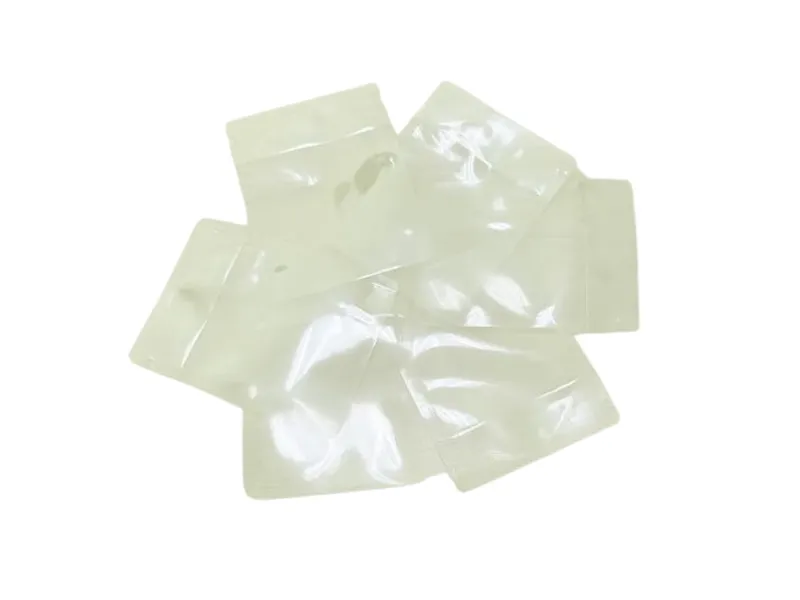
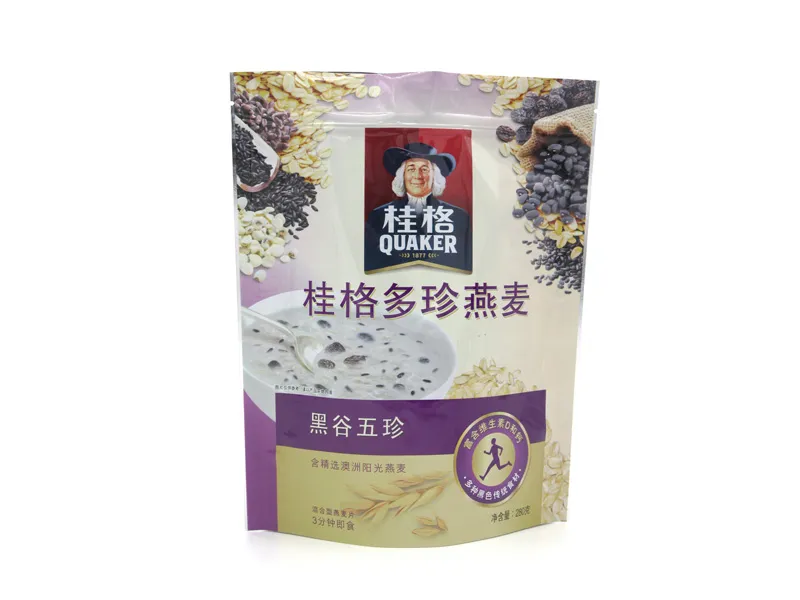
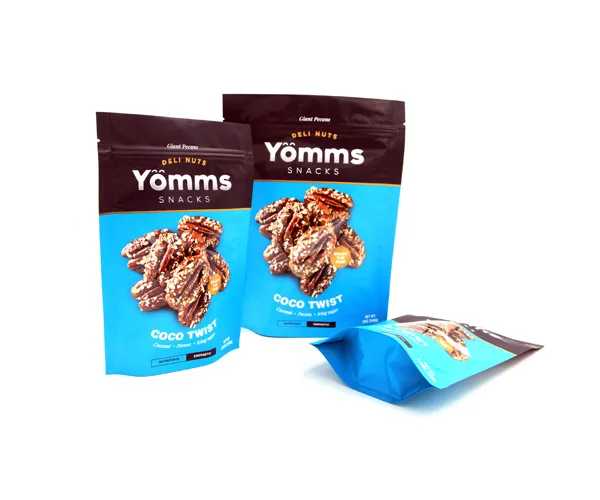
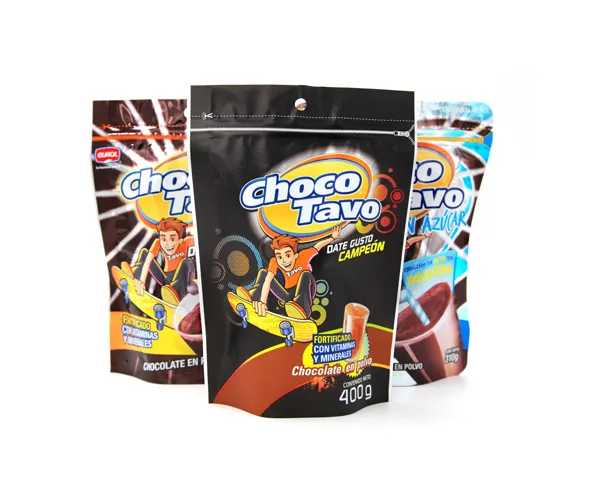
Self-Standing Ability | Superior Shelf Presence: The plastic stand-up pouch stands upright like a rigid package, making products more visible and attractive to consumers. |
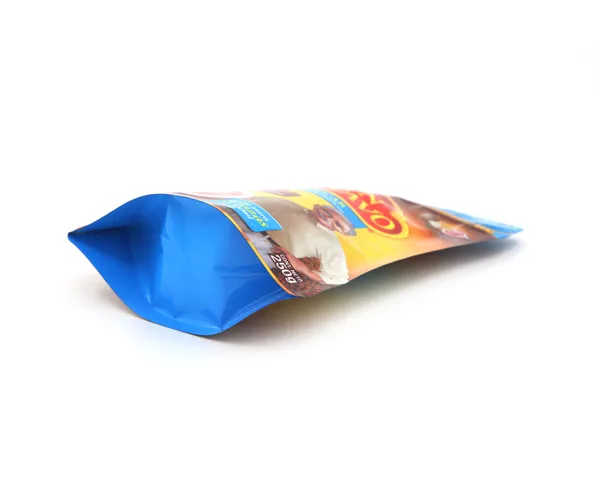
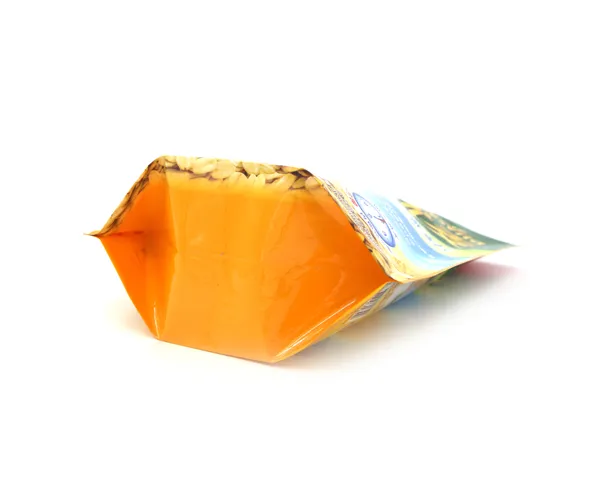
Lightweight & Flexible | Cost-Effective Logistics: The plastic stand-up pouch weighs much less than rigid alternatives, significantly reducing shipping costs. Empty plastic stand-up pouches lie flat, saving storage space. |
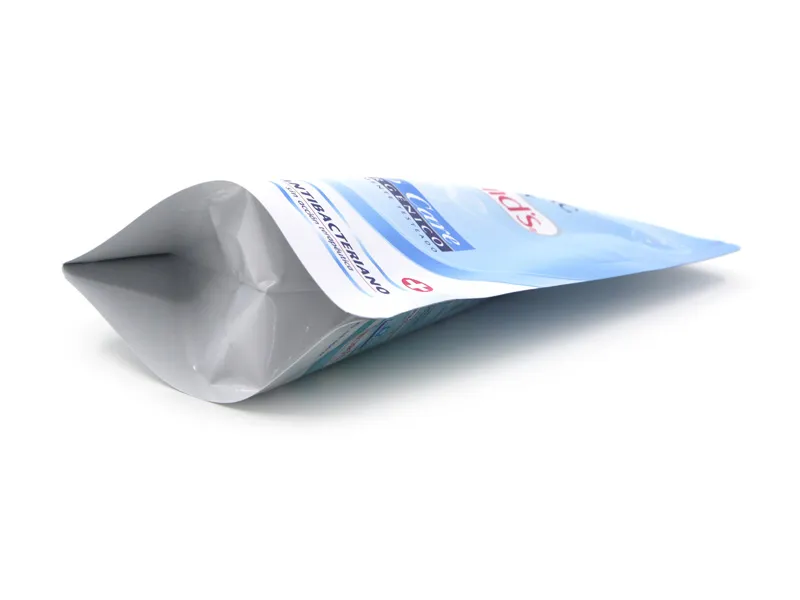
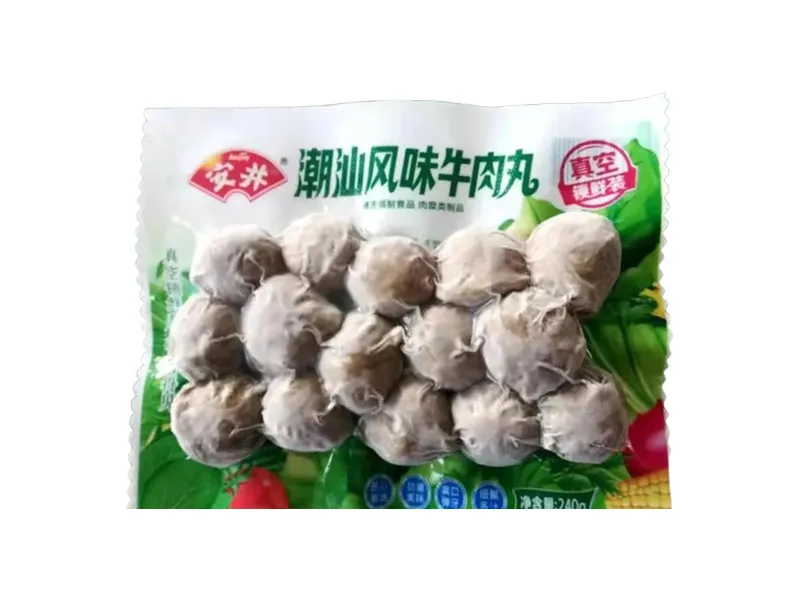
Excellent Sealability | Content Protection: The plastic stand-up pouch provides a hermetic seal (via heat sealing) to protect against leakage, moisture, and contamination. |
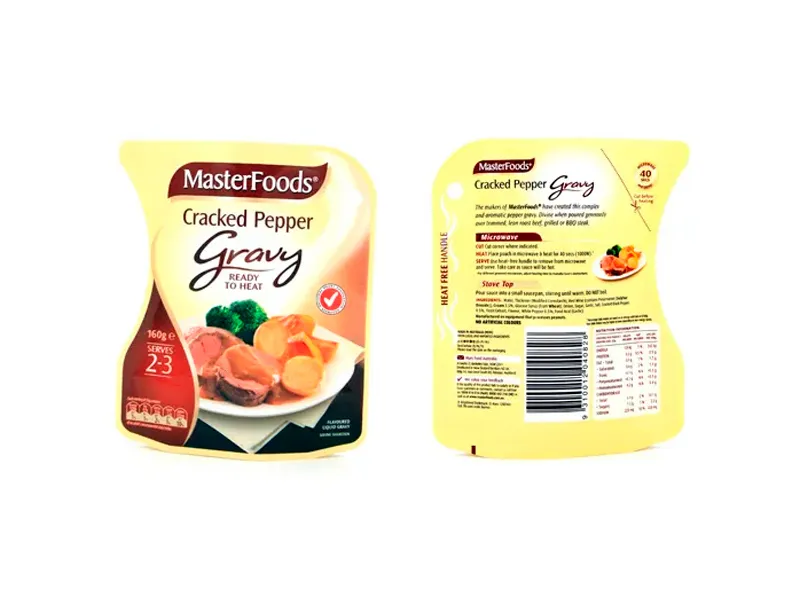
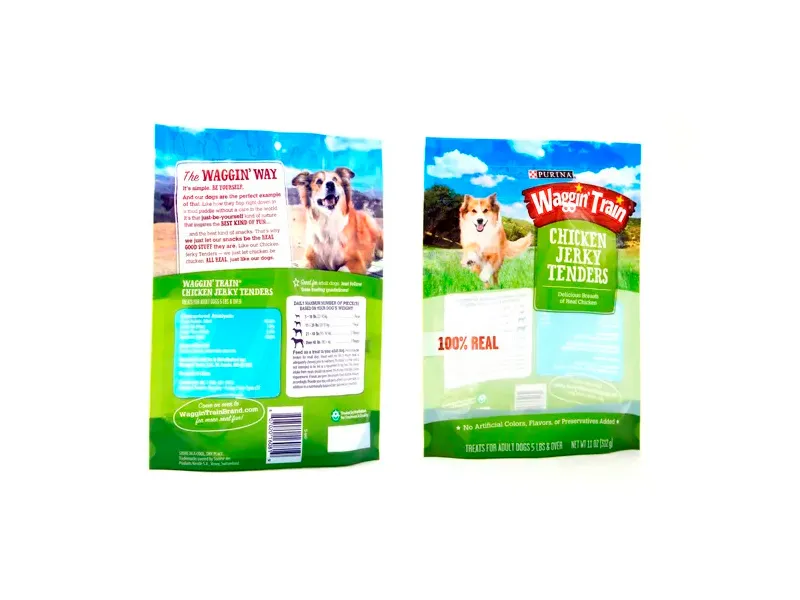
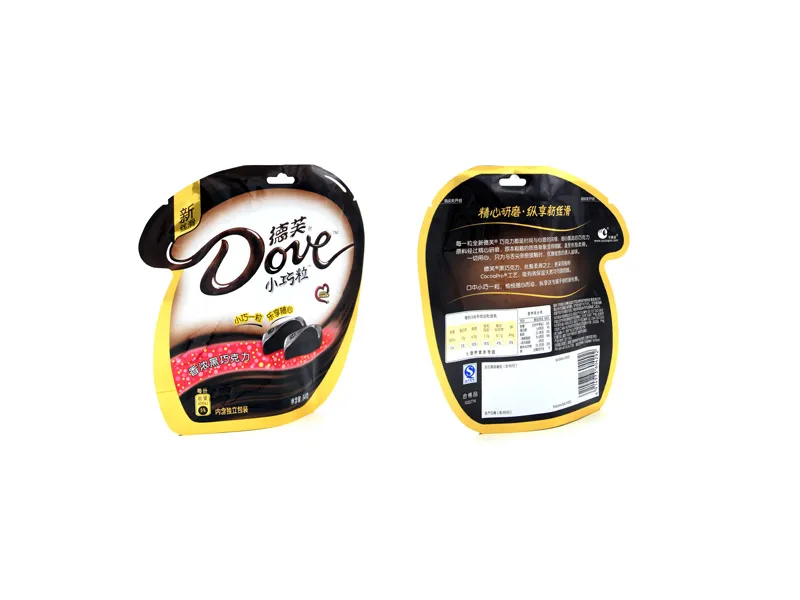
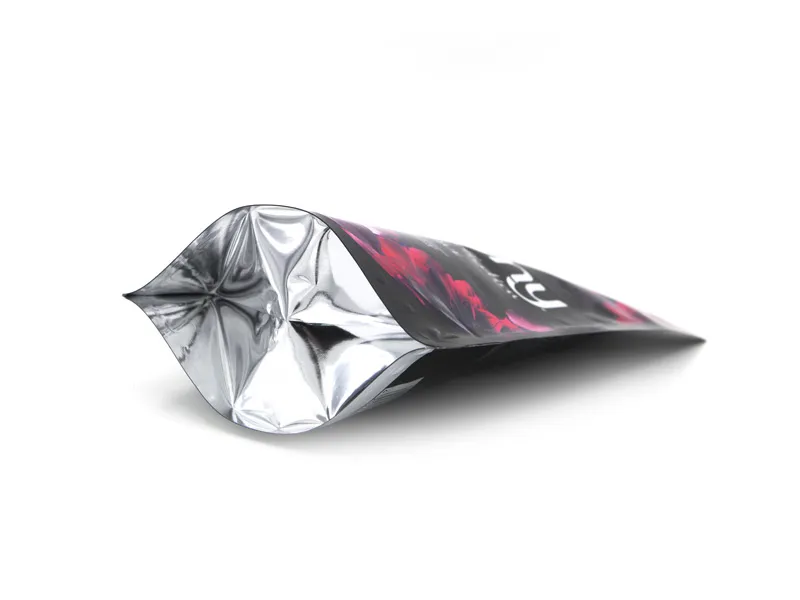
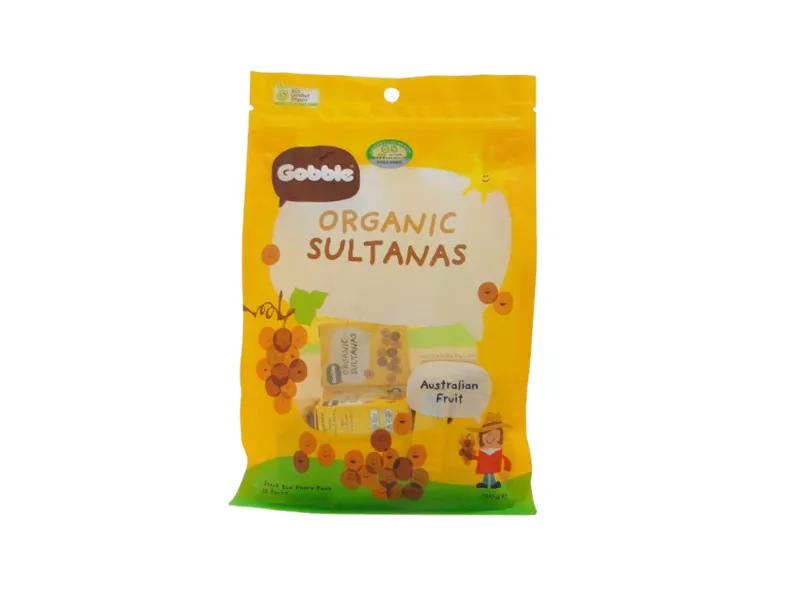
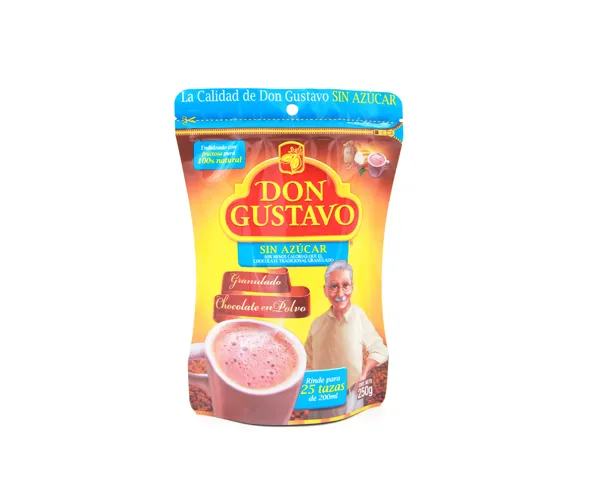
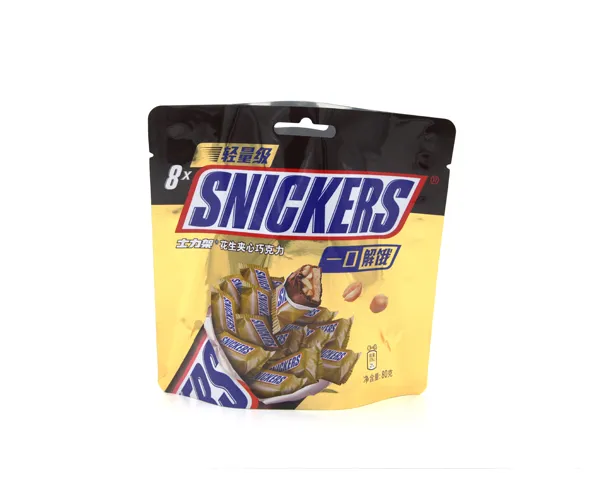
Large Printable Surface Area | Powerful Marketing Canvas: The plastic stand-up pouch offers ample, high-quality space for vibrant graphics and branding, acting as a billboard for the product. |
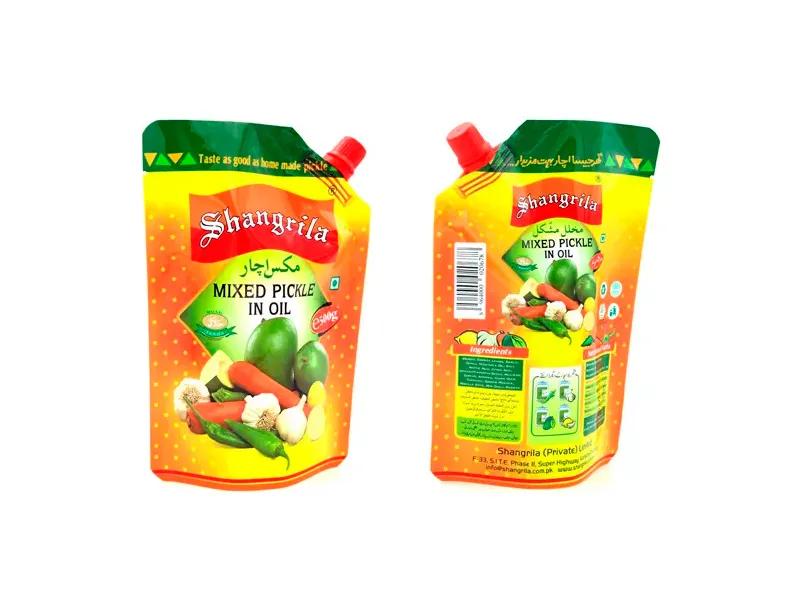
High Functional Versatility | Enhanced User Convenience: The plastic stand-up pouch can be easily equipped with resealable zippers, easy-tear notches, and dispensing spouts for improved usability. |
Material Structure of Plastic Stand up Pouch
The performance of a stand-up pouch depends on its material construction, which can range from simple to complex:
Single-Material:
PE (Polyethylene): Soft and squeezable. Ideal for refill packs for shampoos or detergents.
PP (Polypropylene): Stiffer and clearer. Often used for dry snacks and candies.
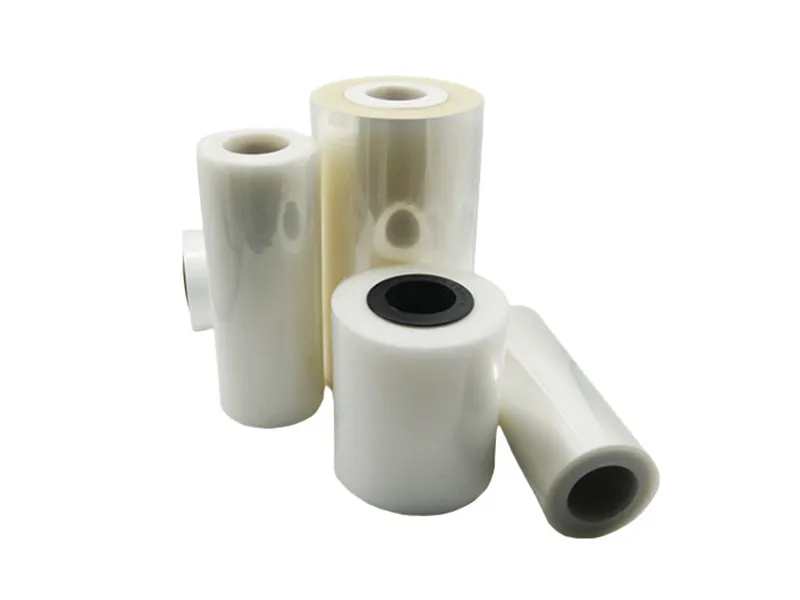
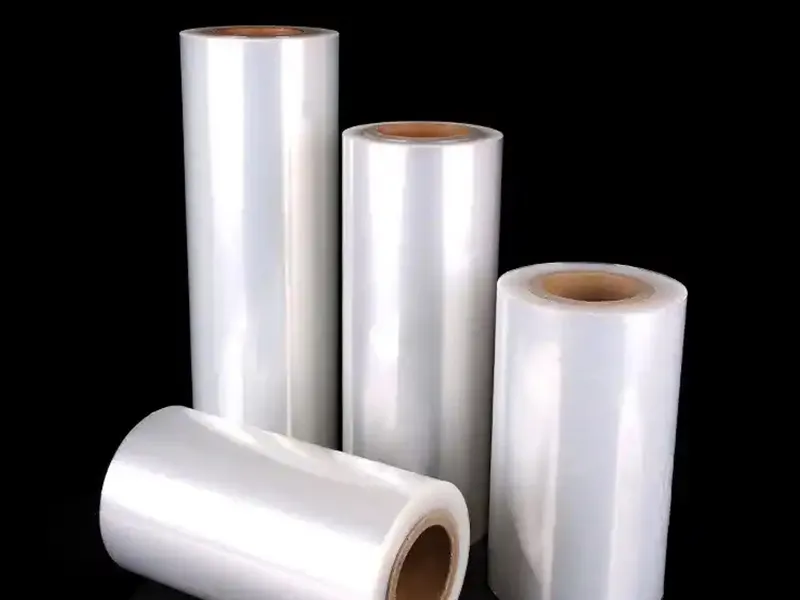
Laminated Structures (Most Common): To achieve better strength, clarity, and barrier properties, multiple plastic films are layered together.
A typical 3-layer structure includes:
Outer Layer: BOPP or BOPET. Provides scratch resistance, gloss, and a high-quality printing surface.
Middle Layer: Can be a material like metallized film (VMPET) for light and oxygen barrier, or Nylon for puncture resistance.
Inner Layer (Sealing Layer): PE or CPP. Provides a safe, food-grade layer that can be heat-sealed to form the pouch's seams.
Example:
A premium coffee pouch might have a BOPP / AL Foil / PE structure, where the aluminum foil provides an absolute barrier against oxygen and light.
 English
  中文
中文